2 hr
Imperial Palace East Gardens & Shogun History Walk
- Entry ticket
- Mobile voucher
- Valid same day
- Free cancellation
Tokyo Imperial Palace — Reserved Tours & East Gardens Access
Walk the shogun's stone foundations, enter gardens free to all.
Compare fares, pick the fit — all bookings are mobile-voucher and eligible for free cancellation where shown.
2 hr
2 hr
2 hr
| Experience | Duration | Rating | Skip-the-line | Guide | Small group | Free cancel. | Price | |
|---|---|---|---|---|---|---|---|---|
|
Standard Entry
Most popular
Imperial Palace East Gardens & Shogun History Walk
|
2 hr | ★ 4.8 | — | ✓ | — | ✓ | €8 | Book → |
|
Guided Experience
Imperial Palace Historical Walking Tour
|
2 hr | ★ 4.9 | ✓ | ✓ | ✓ | ✓ | €26 | Book → |
|
Guided Experience
Edo Castle & Imperial Palace Walking Tour
|
2 hr | ★ 4.8 | ✓ | ✓ | ✓ | ✓ | €8 | Book → |
Hand-picked experiences loved by thousands of travelers
2 hours
Free Cancellation
Discover how samurai built Tokyo through strategic storytelling at the historic Imperial Palace grounds
1 hour
Free Cancellation
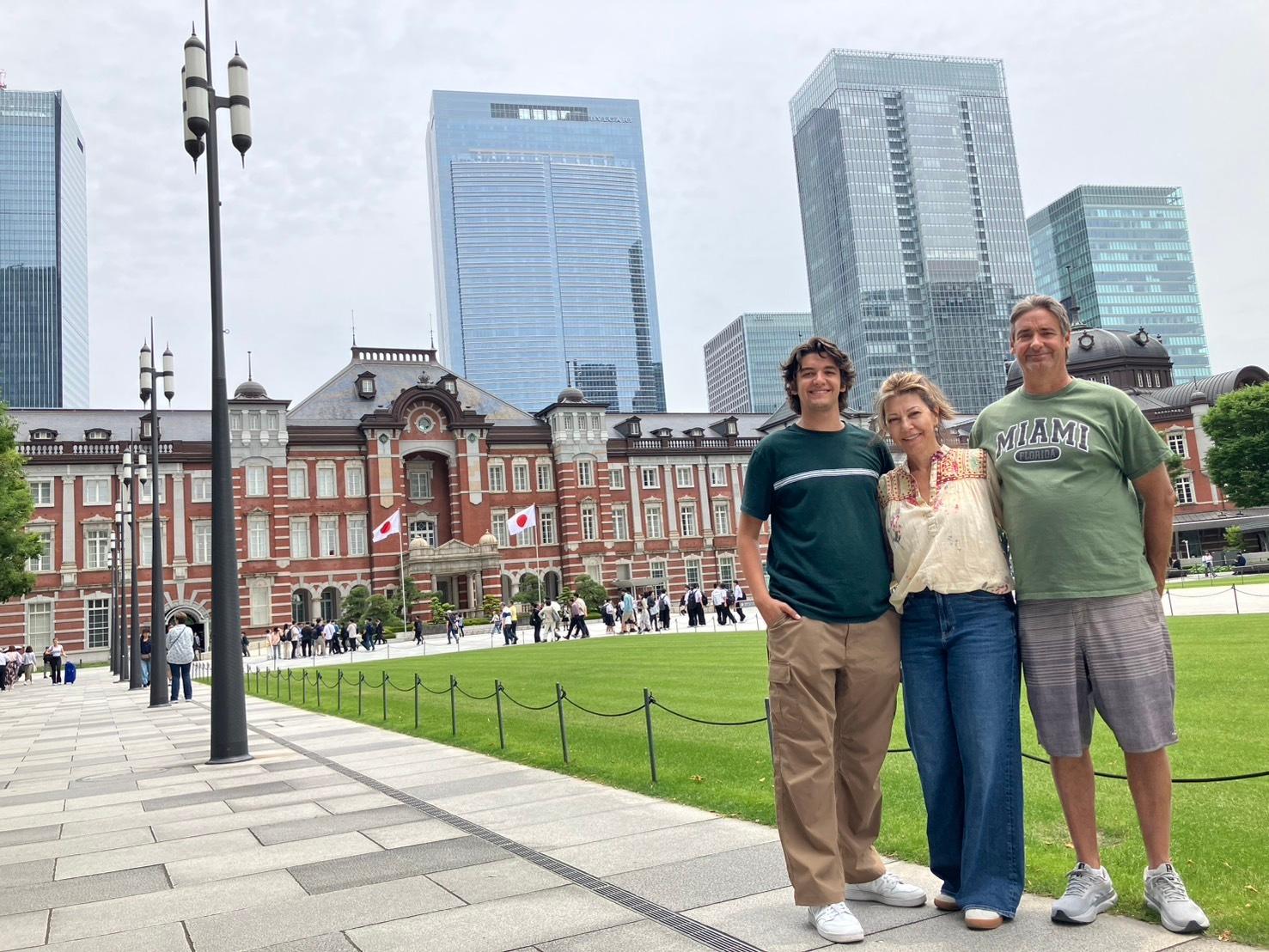
Discover Tokyo's imperial heritage and architectural landmarks on a compact guided walk from the historic station
2 hours
Free Cancellation
Explore Tokyo's controversial past through shrines, palaces, and memorials with expert commentary
2.5 hours
Free Cancellation
Journey through centuries of Japanese heritage from tranquil palace gardens to iconic railway architecture
2 hours
Free Cancellation
Uncover the samurai legacy and shogunate secrets at the historic heart of Tokyo's palace grounds
6 hours
Free Cancellation
Explore Tokyo's heritage temples, hidden neighborhoods, imperial grounds, and electric modern districts in one immersive day.
1.5 hours
Free Cancellation
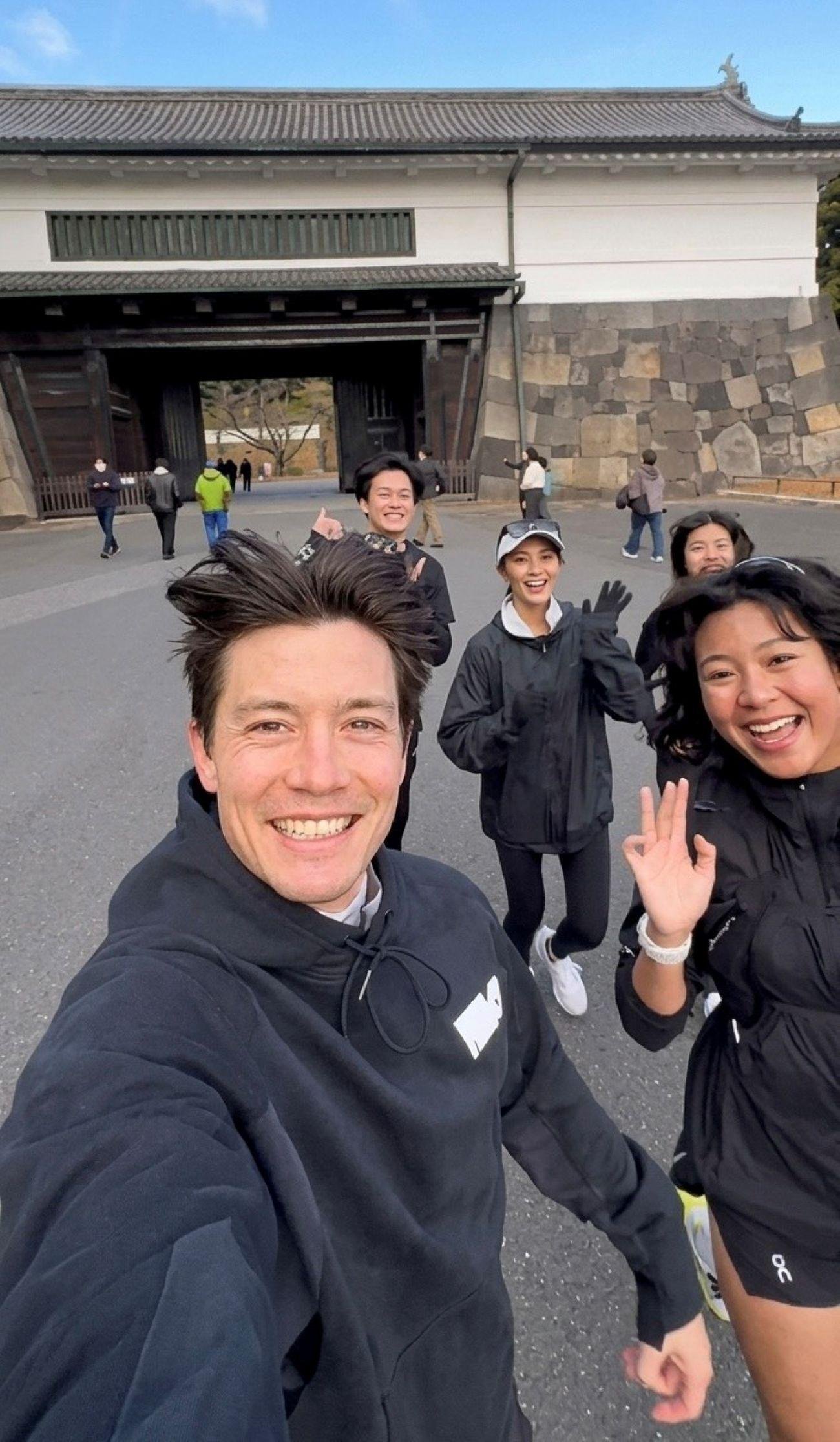
Join Tokyo's morning runners on the city's most iconic 5km route before the crowds arrive
9 hours
Free Cancellation
Experience Japan's capital in style with a full-day chauffeured journey to iconic landmarks and hidden gems
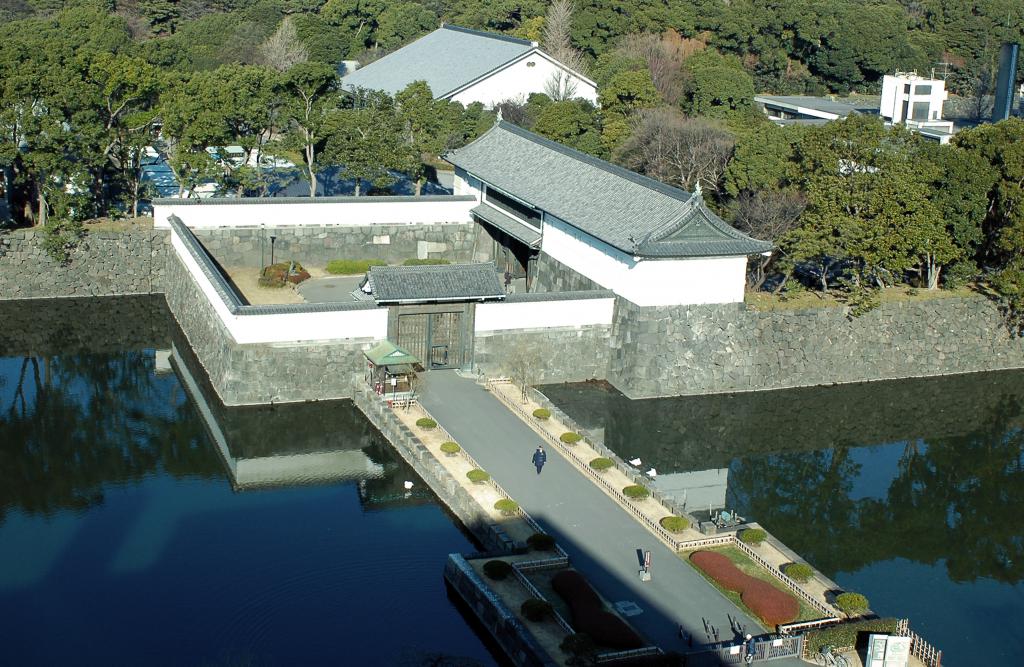
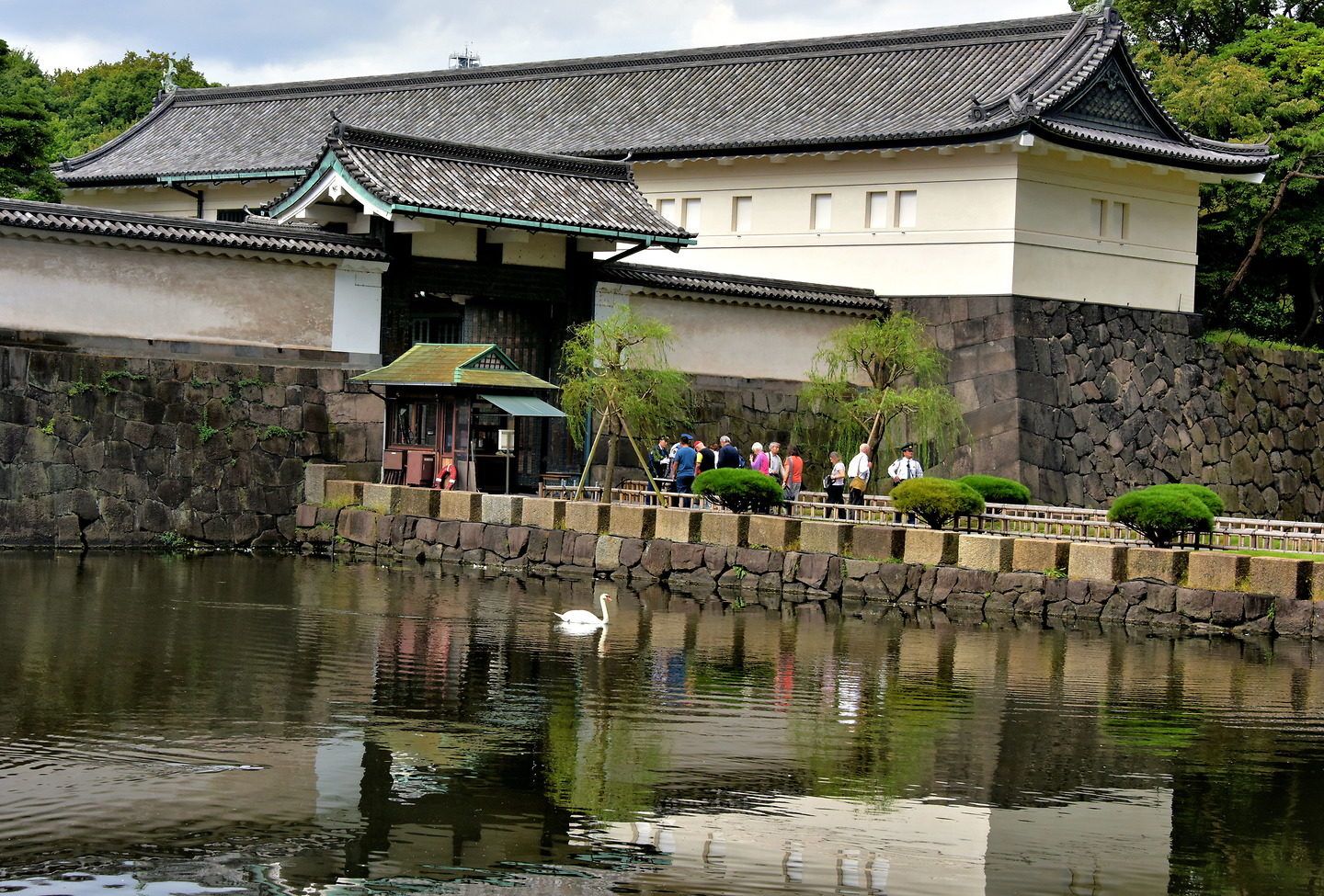
The primary entrance to the palace, once the main gate for Edo Castle.
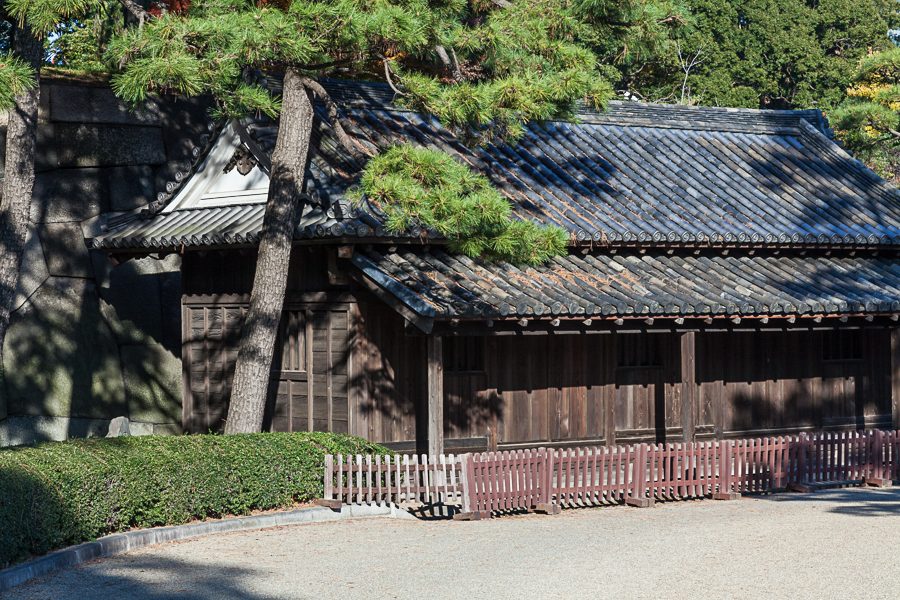
A historic security checkpoint that remains from the Edo period.
The site of the former main castle tower with expansive lawns.
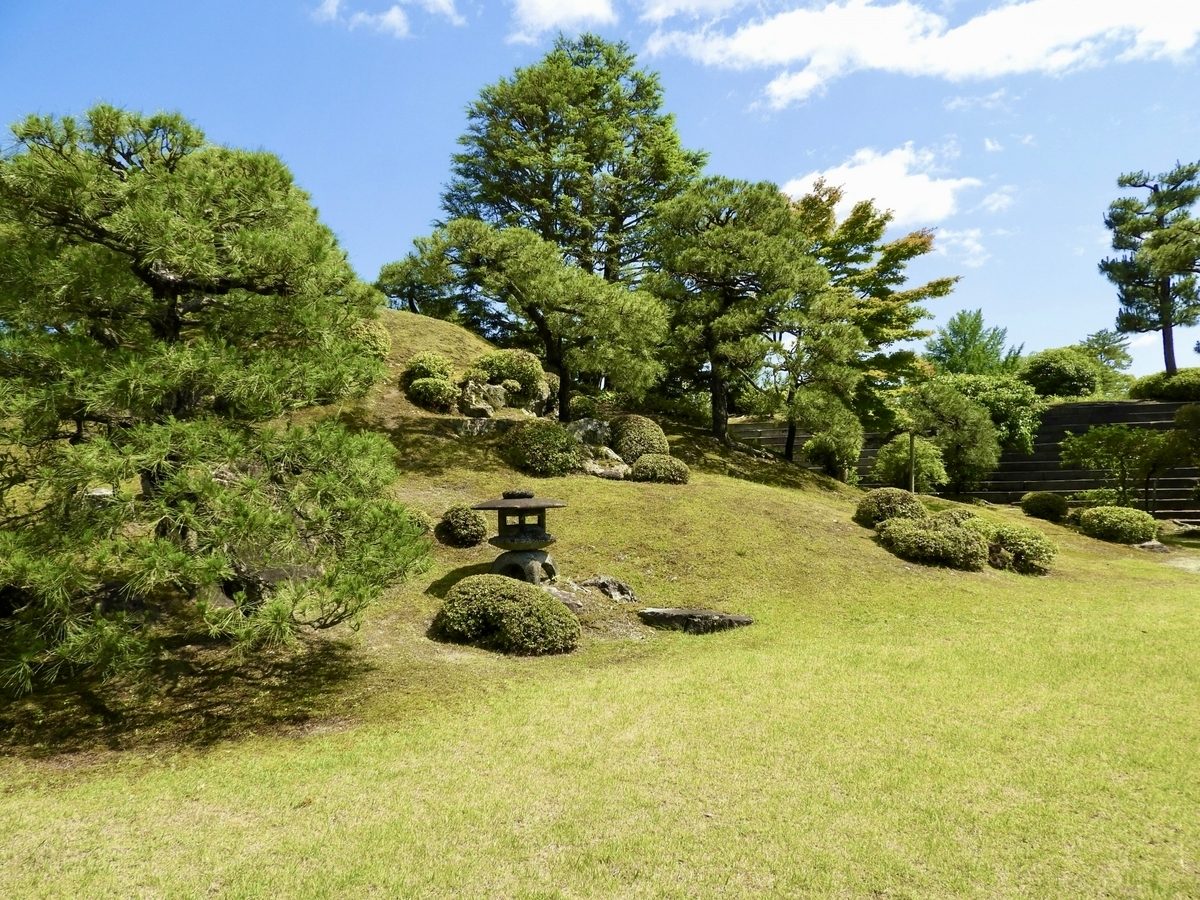
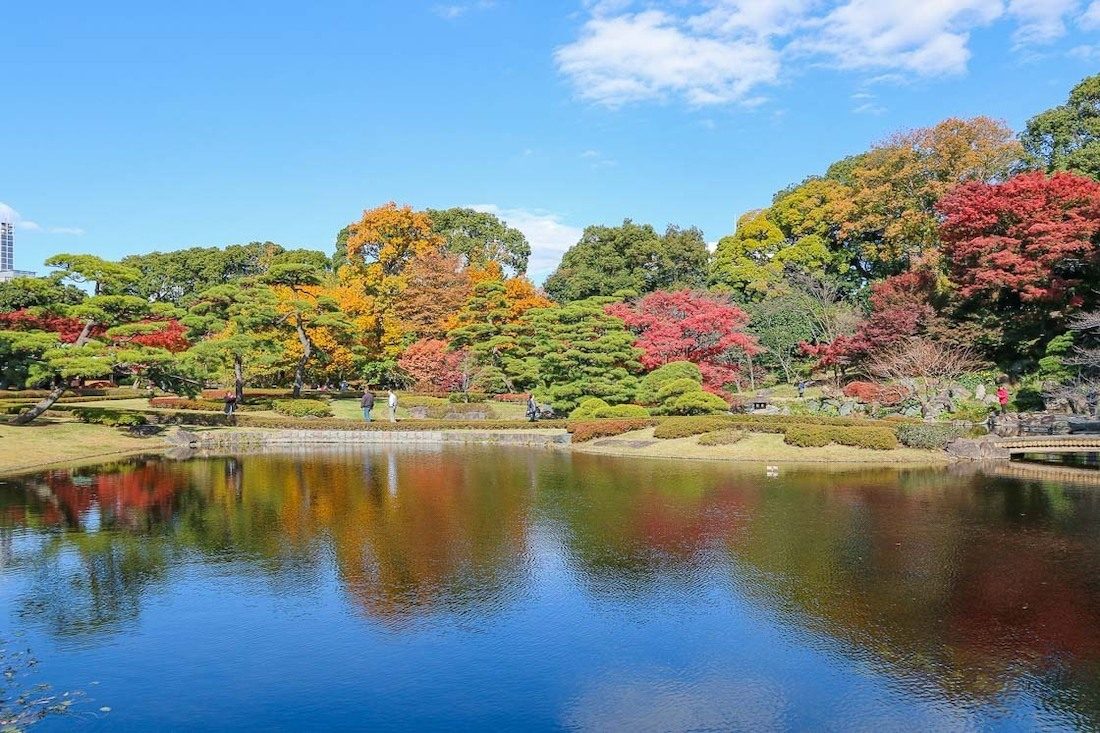
A beautifully reconstructed Japanese-style garden at the base of the hill.
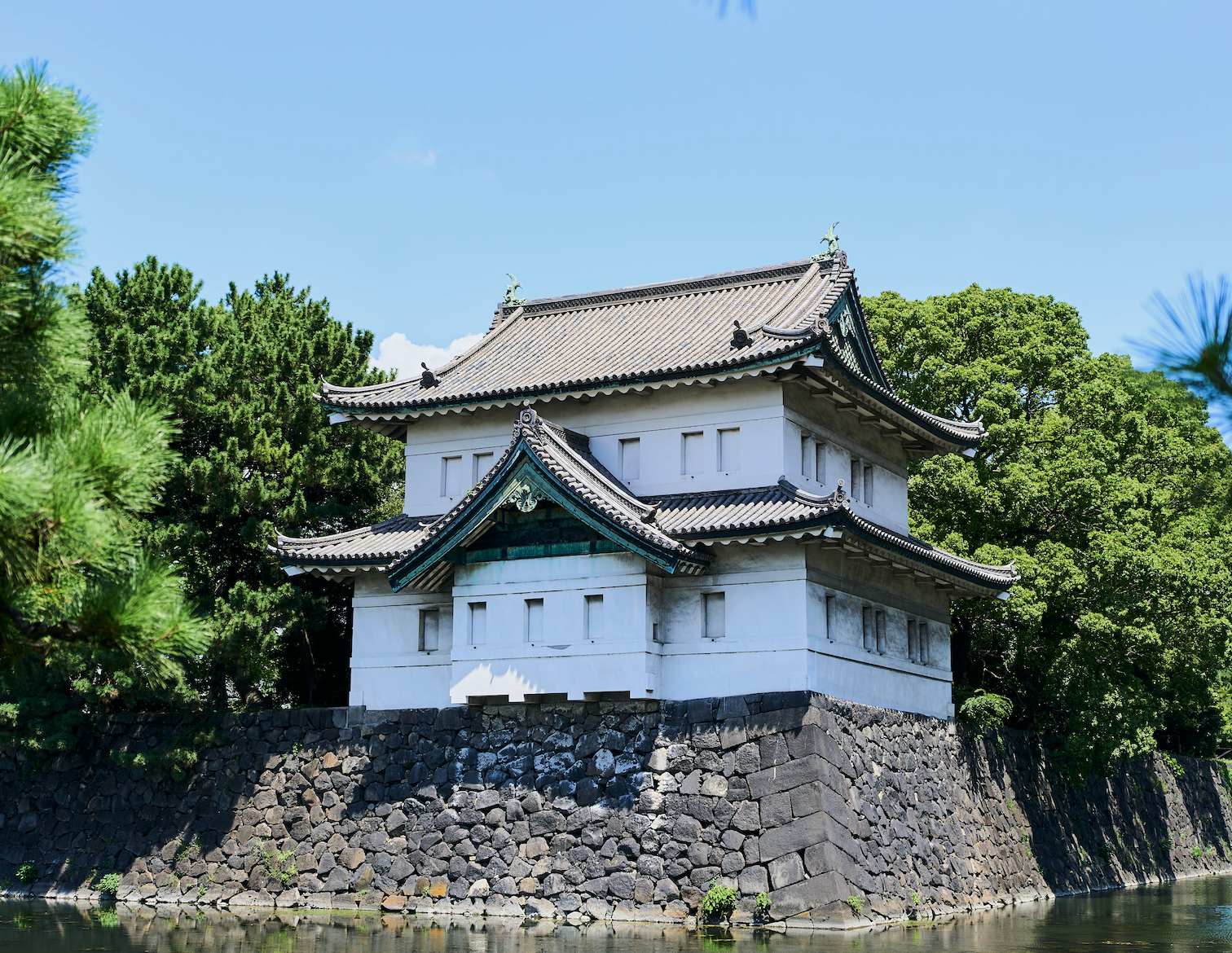
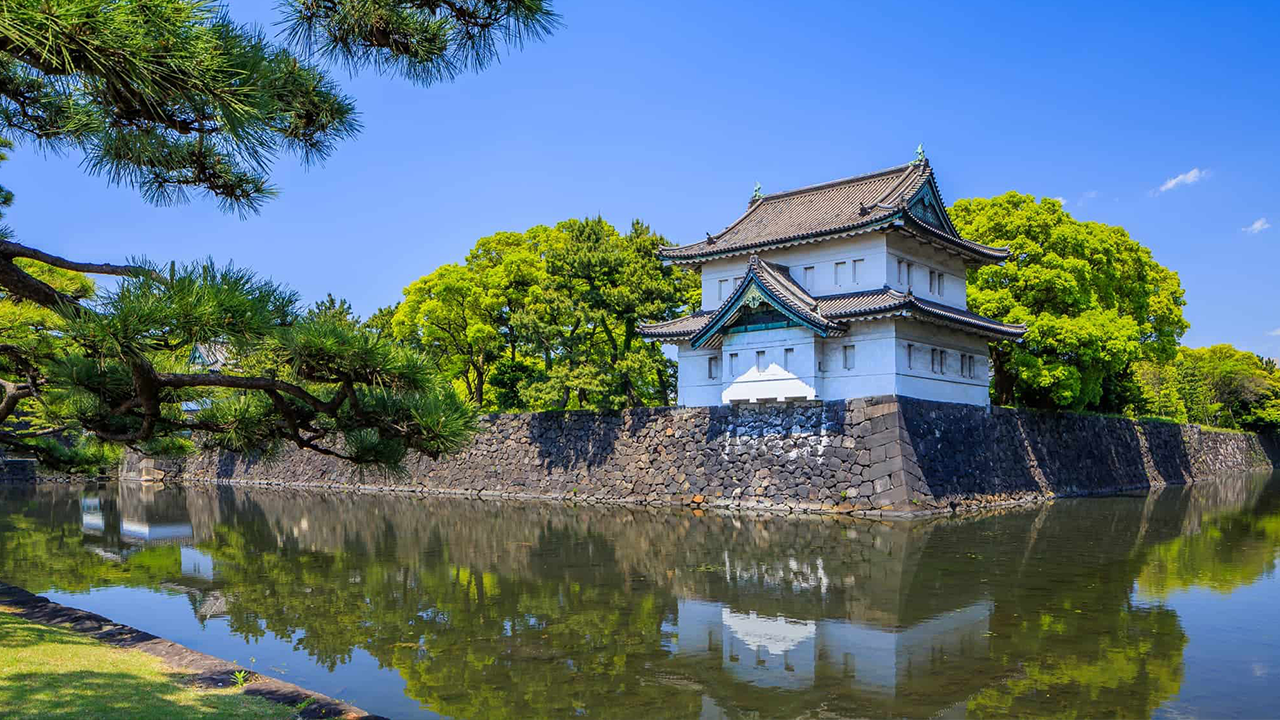
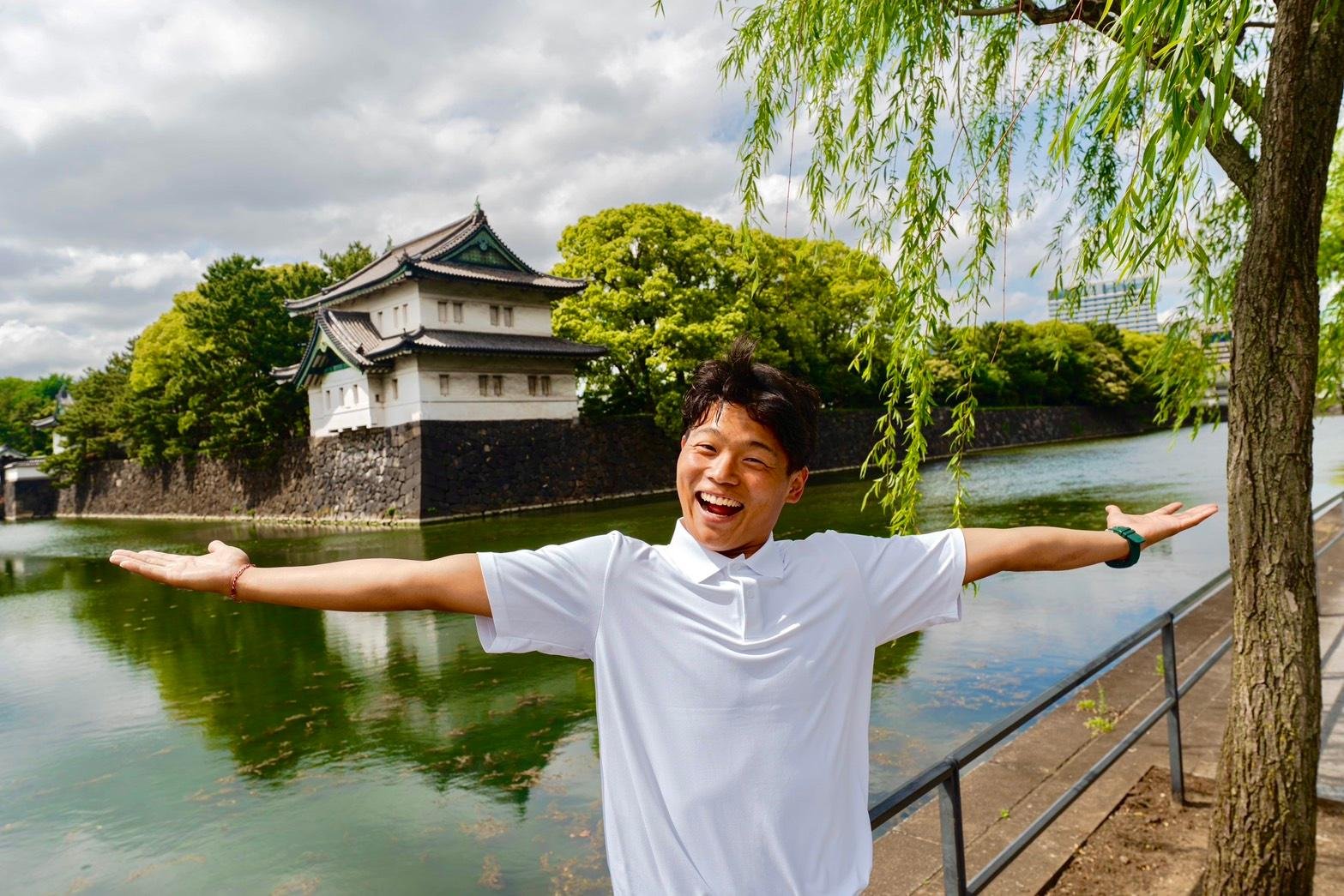
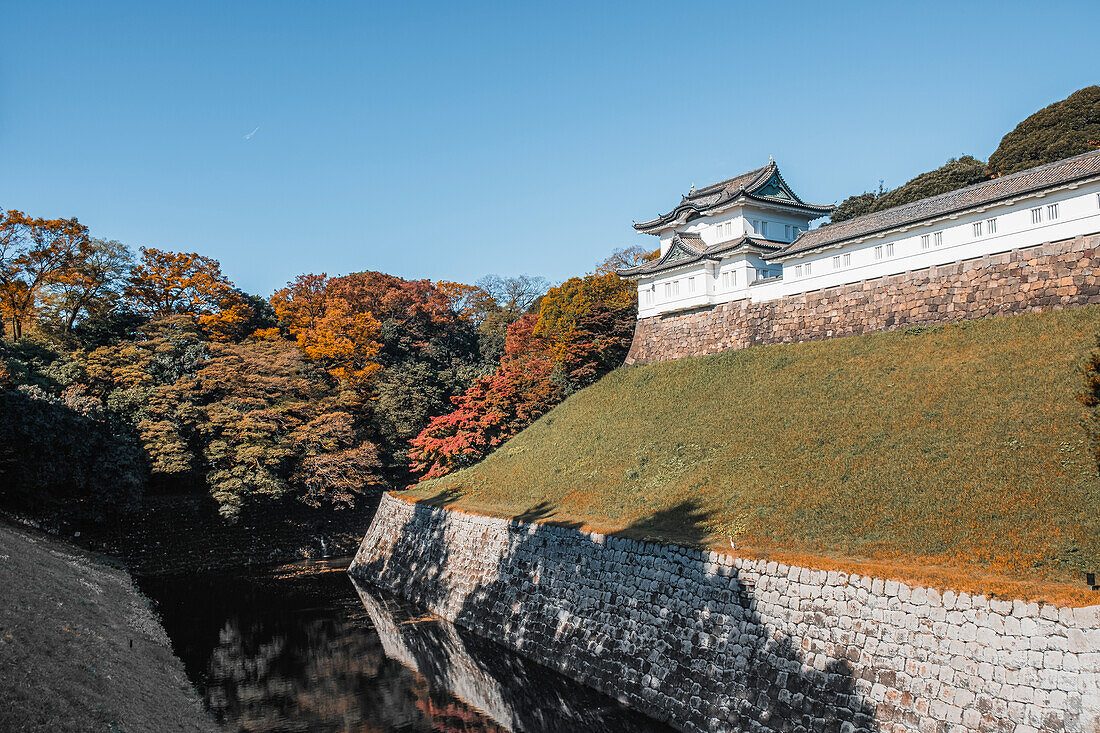
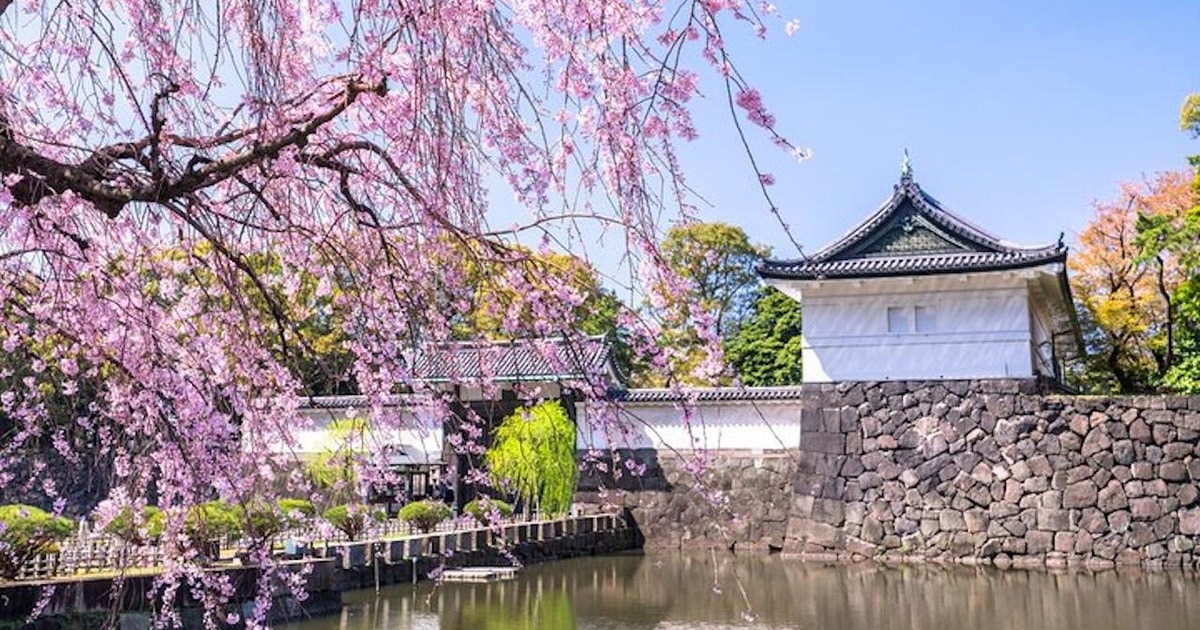
One of the few remaining turrets that overlooks the palace moats.
You pass through the Otemon gate at 09:15, entering the East Gardens as groundskeepers rake gravel under pine trees. The path rises toward the old donjon foundation, where you climb stone steps worn smooth by four centuries of foot traffic.
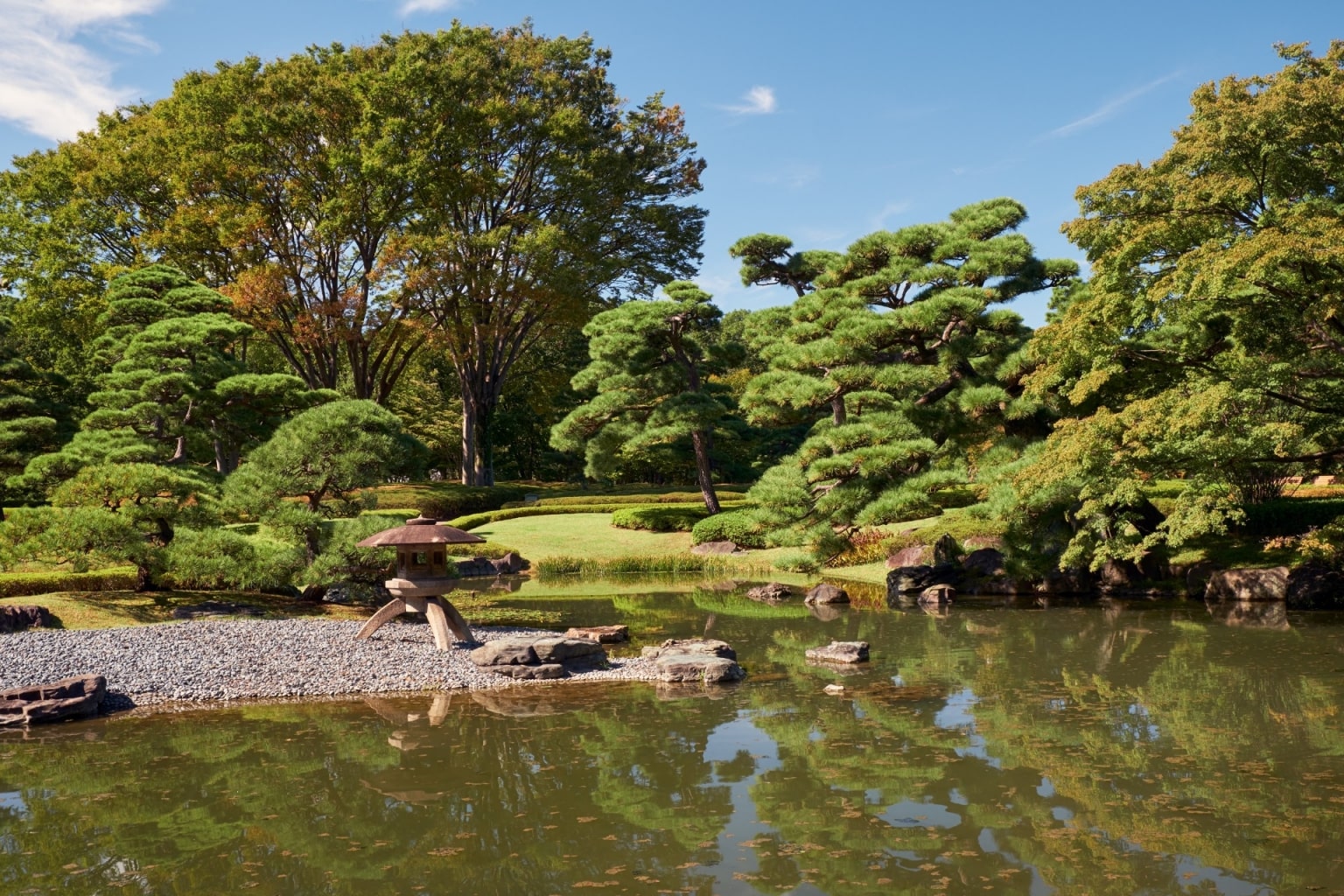
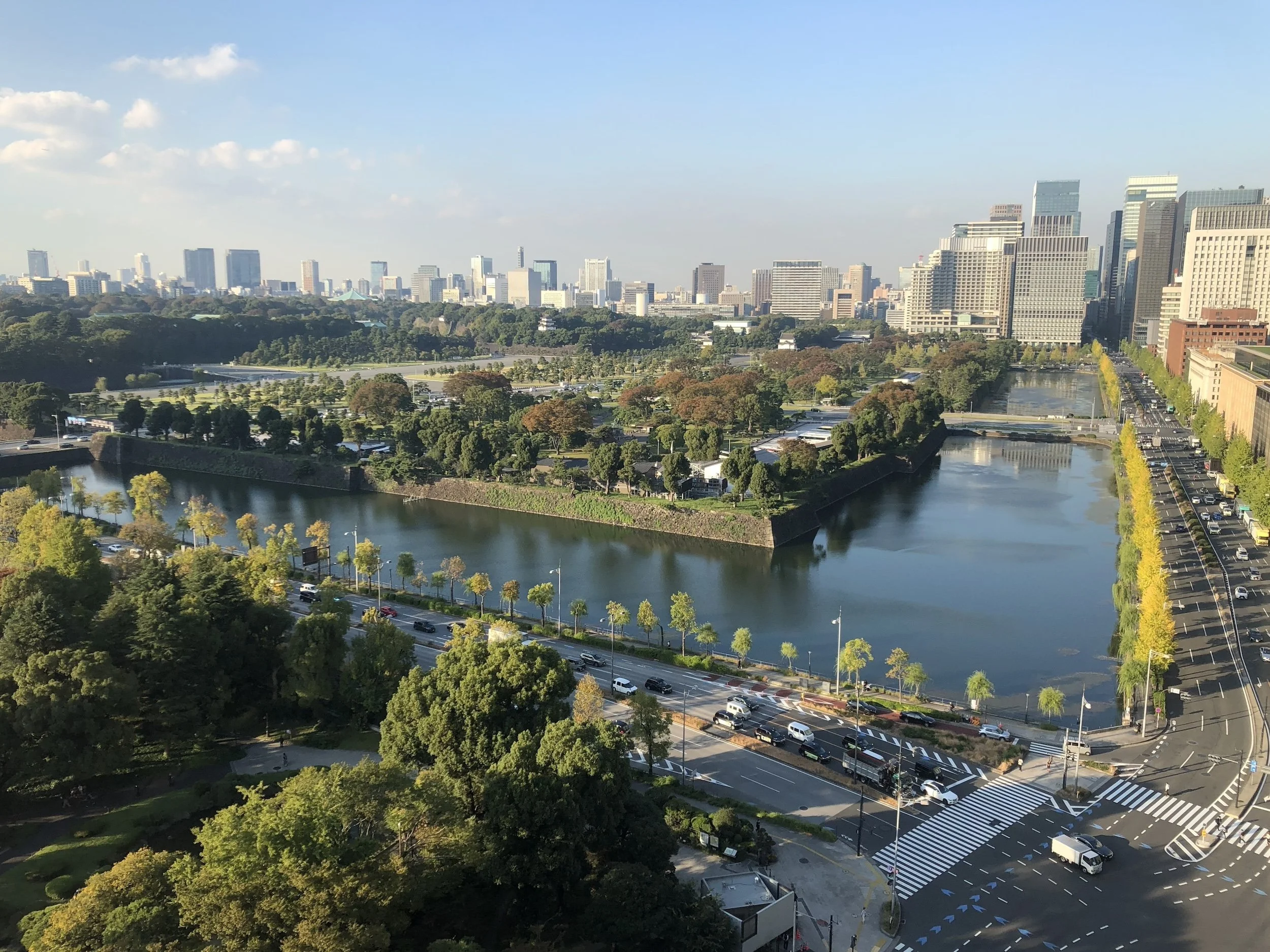
From the top, central Tokyo spreads in every direction — glass towers behind the moat, the Diet building's pyramid dome three kilometers south. You descend into the Ninomaru Garden, where a koi pond reflects the Fujimi-yagura keep, its white plaster walls stark against August humidity.
If you secured a palace tour reservation, you meet your group at the Kikyomon gate at 10:00. The guide leads you along raked gravel paths, past the Seimon Ishibashi iron bridge and into the inner precinct. You pause at the Seiden state hall, its bronze roof tiles green with patina, and again at the Matsu-no-Roka corridor where formal receptions occur. The tour prohibits photography inside the grounds; you pocket your phone and watch palace staff in dark suits cross the courtyard. Seventy-five minutes pass quickly. By 11:30 you exit at the Sakashita-mon gate, return to the East Gardens, and rest on a bench near the Sannomaru Shozokan museum before the midday heat intensifies.
All the details about your upcoming adventure in one place
Tokyo Imperial Palace tickets grant access to the East Gardens year-round and the inner grounds via advance reservation for guided tours. The Imperial Household Agency manages tokyo imperial palace tickets tours through their online system, with free admission to both the public gardens and inner palace grounds. Visitors explore the historic Edo Castle foundations, Nijubashi Bridge, and meticulously landscaped grounds that serve as the primary residence of Japan's Imperial Family.
The Tokyo Imperial Palace sits atop the former Edo Castle, whose outer moat once enclosed 264 hectares — the world's largest fortress by area in the seventeenth century.
When Emperor Meiji relocated the imperial seat from Kyoto to Tokyo in 1868, the shogunate's administrative core became the sovereign residence it remains today. The palace compound occupies 115 hectares in Chiyoda ward, bounded by stone walls and water-filled moats that predate the Meiji era by two centuries. Tokugawa Ieyasu began construction of Edo Castle in 1457; successive expansions under his descendants created a five-tier donjon that stood until fire destroyed it in 1657. The present palace, completed in 1968, replaced structures lost to American firebombing in May 1945.
Tokyo Imperial Palace tickets grant access to two distinct zones. The East Gardens, open to the public without reservation, preserve the castle's inner defenses: the Honmaru bailey, the Ninomaru secondary enclosure, and remnants of the donjon foundation, which rises 11 meters above the lawn. Cherry trees line the Chidorigafuchi moat on the palace's northwest edge; their blossoms draw 500,000 visitors each April. The inner grounds, including the palace building and the tree-shaded pathways where the imperial family resides, open only through advance reservation on the Imperial Household Agency website. Guided tours depart twice daily and last 75 minutes, covering 2.2 kilometers of gravel paths.
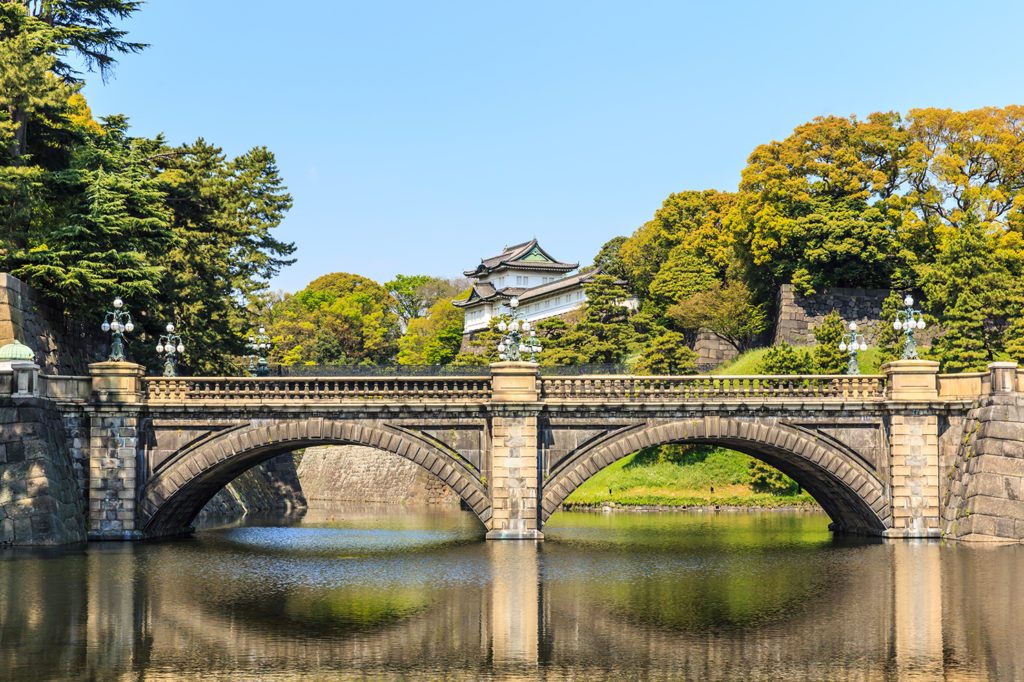
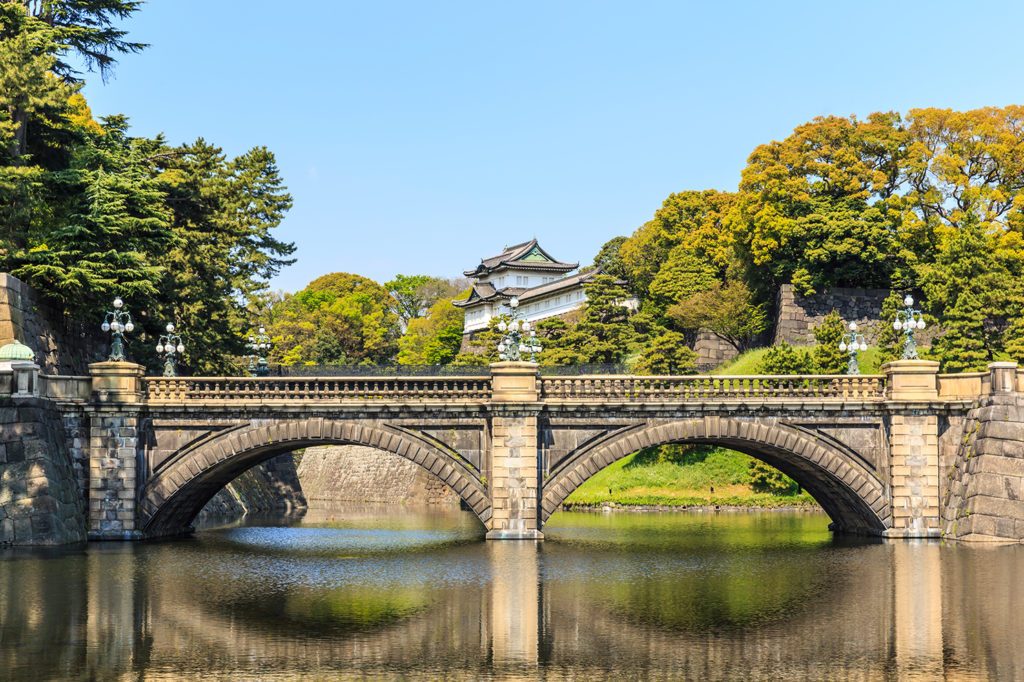
Visitors walking the East Gardens encounter the Fujimi-yagura, a three-story keep from 1659, and the Toka Music Hall, a Art Deco structure built in 1966 for court concerts. The Sannomaru Shozokan museum displays rotating selections from the imperial art collection, including Heian-era scrolls and Meiji-period Western oils. The palace's architecture blends reinforced concrete with traditional hip-and-gable roofs; its design by Junzo Yoshimura and Junzo Sakakura prioritizes seismic resilience over ornament. The Nijubashi, a double-arched stone bridge completed in 1888, frames the palace's southern approach and appears in nearly every postcard view of the site. Tokyo Imperial Palace tickets tours introduce visitors to a layered history where shogunate fortifications, imperial ceremony, and public park space coexist within a single walled precinct.
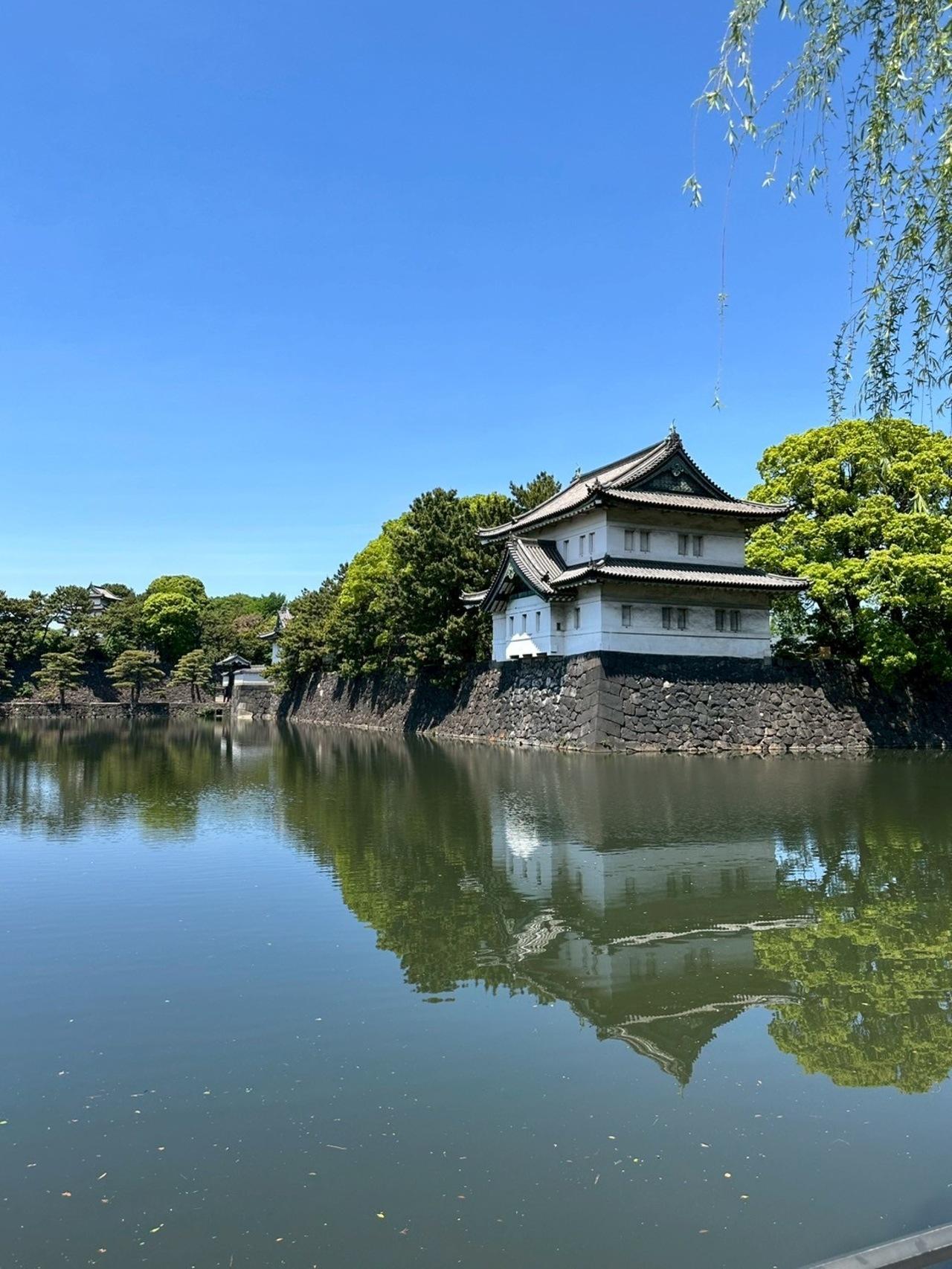
The outer moat once enclosed 264 hectares — the world's largest fortress by area in the seventeenth century.
No formal dress code is enforced, but visitors should wear comfortable walking shoes for the gravel paths. Modest attire is recommended as a sign of respect when visiting the tokyo imperial palace tickets grounds.
Baggage inspections are mandatory at all entrance gates to the tokyo imperial palace tickets site. It is highly recommended to use station lockers for large bags, as large items may be denied entry.
Handheld photography is permitted in most outdoor areas of the tokyo imperial palace tickets site. Tripods, monopods, and selfie sticks are strictly prohibited to maintain safety and flow.
The gardens are open to all ages, though parents should remain mindful of gravel paths and steep slopes near the tower foundation. The space is a popular choice for those with tokyo imperial palace tickets tours looking for an outdoor historical walk.
The grounds are largely flat, though some slopes exist near the main Edo Castle ruins. Wheelchairs can be rented at the Ote-mon, Hirakawa-mon, and Kitahanebashi-mon gates.
Eating and drinking are not permitted within the garden grounds. Visitors may carry water to stay hydrated, especially during the summer heat.
Opening hours
09:00–16:00
Address
1-1 Chiyoda, Chiyoda-ku, Tokyo 100-8111, Japan
Accessibility
Wheelchair rentals available at gates
Best arrival window
09:00–10:30
Baggage policy
Use coin lockers at train stations
Contact
+81-3-3213-1111
Public transport · 10–15 min · Free
Take the subway to Otemachi Station or walk 15 minutes from Tokyo Station.
The East Gardens require no booking or tokyo imperial palace tickets for general entry. If you have booked a separate official guided tour, please refer to the specific cancellation terms provided upon registration.
Recommended time
2-3 hours
Allocating 2-3 hours allows you to navigate the East Gardens and view the stone walls and moats that define this Tokyo landmark. Securing your tokyo imperial palace tickets tours early ensures a comfortable pace, as the gravel paths can become taxing during the heat of midday. While there are no entry fees to manage, these tokyo imperial palace tickets tickets arrangements remain straightforward, and visitors finding the pace too slow often utilize the exit gates near the Ote-mon to shorten their stay. If you prefer to explore every corner, including the moats and guardhouses, plan for the full three-hour window to avoid rushing.
Crowd levels through the day
Weather · crowds · average price — dots go green to amber to red as each metric rises.
Late March to early April is ideal for cherry blossoms, though crowds are at their peak.
Expect hot temperatures; early morning visits are essential to avoid the heat.
Mild weather with beautiful foliage in November and early December.
Crisp air and fewer crowds, making it a peaceful time to explore the grounds.
Arrive at 09:00 to beat the midday heat and crowds.
Use the Marunouchi side of Tokyo Station to face the palace.
Enter via Ote-mon for the most direct access to the main historical areas.
Carry photo identification if you plan on joining a guided tour.
Wear flat, comfortable shoes as the park features significant gravel pathways.
3-1 Kokyogaien, Chiyoda City
Standard meeting point for many tokyo imperial palace tickets tours.
Get directionsThe site now protected by tokyo imperial palace tickets was first fortified in 1457 when Ōta Dōkan built a modest castle on the Musashino plateau overlooking Edo Bay. For a century it remained a regional stronghold until Tokugawa Ieyasu chose it as the seat of his shogunate in 1603. The Tokugawa regime transformed the compound into the largest castle complex in the world, with concentric moats, massive stone ramparts quarried from the Izu Peninsula, and a five-story keep completed in 1638. The donjon burned in the Meireki fire of 1657 and was never rebuilt, but the administrative heart of feudal Japan remained here for over two centuries. The Meiji Restoration of 1868 ended Tokugawa rule and transferred the castle to Emperor Meiji, who moved the imperial seat from Kyoto to Tokyo in 1869. The old shogunal palace was demolished and replaced with a new Western-style imperial residence completed in 1888. That structure was destroyed during Allied air raids in May 1945, forcing the imperial family into temporary quarters. The current palace, a blend of traditional Japanese and modernist architecture designed by architect Junzō Yoshimura, opened in 1968 and remains the primary residence of the emperor. The East Gardens, once the castle's innermost bailey, were opened to the public in 1968, making them accessible without the advance booking required for tokyo imperial palace tickets tours of the inner grounds. The palace grounds witnessed Japan's surrender broadcast in August 1945 and the failed coup attempt by young officers who tried to prevent it. Today the site spans 1.15 square kilometers and includes the Imperial Household Agency archives, ceremonial halls, and carefully preserved Edo-period stone foundations. The Fujimi-yagura turret, one of three remaining original structures, dates to 1659 and offers a rare glimpse of Tokugawa military engineering. The imperial family uses the palace for state functions and New Year greetings, while the outer gardens and moats remain open year-round as public parkland in central Tokyo.
Ōta Dōkan constructs the first fortified residence on the site, establishing Edo Castle.
Tokugawa Ieyasu relocates his shogunate to Edo, beginning the castle's expansion into Japan's political center.
The five-story castle keep is completed, making Edo Castle the world's largest fortress by area.
The Meireki fire destroys the main keep and much of Edo; the donjon is never reconstructed.
The Meiji Restoration transfers the castle from the Tokugawa shogunate to Emperor Meiji.
The first modern Imperial Palace is completed in Western architectural style.
Allied bombing destroys the palace; Emperor Hirohito broadcasts Japan's surrender from the grounds in August.
The current palace opens and the East Gardens are made accessible to the public for the first time.
Position yourself on the stone plaza to capture the double-arched stone bridge against the backdrop of the iron gate. This classic view is essential for those who have secured tokyo imperial palace tickets.
Dining options are concentrated in the surrounding Marunouchi and Otemachi districts, as on-site facilities are limited for those holding tokyo imperial palace tickets. Travelers often venture to these nearby urban hubs to find varied cuisine after finishing their Tokyo landmark exploration.
This venue offers a calm atmosphere with views of the historic moat and fountain. It is a suitable choice for a relaxed lunch after using your tokyo imperial palace tickets tours.
Real experiences from real travelers
We arrived at the East Gardens right when they opened and had the stone paths nearly to ourselves. The Edo-period walls and foundations give you a sense of the fortress scale. The inner moat reflects the old guardhouse beautifully in early light.
The Imperial Palace grounds offer a quiet contrast to the surrounding Marunouchi towers. We walked the perimeter path along the outer moat, which took about an hour. Nijubashi bridge makes a striking foreground with the palace buildings behind.
Securing tokyo imperial palace tickets tours in advance let us join the guided inner grounds tour. The gravel plaza and traditional architecture are well preserved. Our guide explained the Meiji-era reconstruction in clear English.
The cherry trees along Chidorigafuchi moat were at peak bloom during our visit. Many locals were out for hanami picnics. The East Gardens offered a calmer alternative to the crowded outer moat area.
The massive stone walls built during the Tokugawa shogunate are engineering marvels. We spent two hours exploring Ninomaru Garden and the keep foundations. The scale of the original castle becomes clear when you walk the inner grounds.
The East Gardens require no advance booking and entry is free. We explored the imperial collection hall, the garden ponds, and climbed to the old keep site for city views. A good introduction before booking the inner palace tour.
Staff at the Otemon gate entrance provided a detailed map in Portuguese. Booking tokyo imperial palace tickets ahead of time is recommended for the full grounds tour, though the public gardens alone justify a visit.
The palace grounds in February had few visitors. The pine trees against the stone walls created a classical Japanese landscape. We walked from Tokyo Station through Marunouchi, then circled the outer moat path in about ninety minutes.
Understanding that this site was once Edo Castle helps frame the visit. The inner moat and bridges retain their defensive layout. We used tokyo imperial palace tickets tour options to access areas beyond the public gardens and saw the private residence exterior.
After our palace walk, we visited the National Museum of Modern Art just north of the grounds. The Takebashi gate exit made this an easy connection. The contrast between the Edo fortifications and contemporary art was thought-provoking.
Everything you need to know for your journey
Entrance is free (0 JPY) for the East Gardens, so no tokyo imperial palace tickets are needed.
No tokyo imperial palace tickets are required; the East Gardens are free for public entry.
The gardens are open 09:00–16:00 (Tuesday–Sunday), excluding Mondays and Fridays.
Since entry to the East Gardens is free, you do not need to buy tokyo imperial palace tickets.
Yes, families are welcome on all tokyo imperial palace tickets tours and garden visits.
No, tripods are prohibited at the tokyo imperial palace tickets grounds.
Arriving between 09:00–10:30 is recommended to avoid heat and crowds.
Yes, the site is accessible, and wheelchairs can be rented for tokyo imperial palace tickets visits.
Use coin lockers at nearby train stations like Tokyo Station before starting your tokyo imperial palace tickets experience.
Wide open space offering views of the palace moats and gates.
High-end hotels with historic architecture and proximity to the palace grounds.
Join thousands of happy travelers who have discovered this incredible experience
Book Your Experience Now